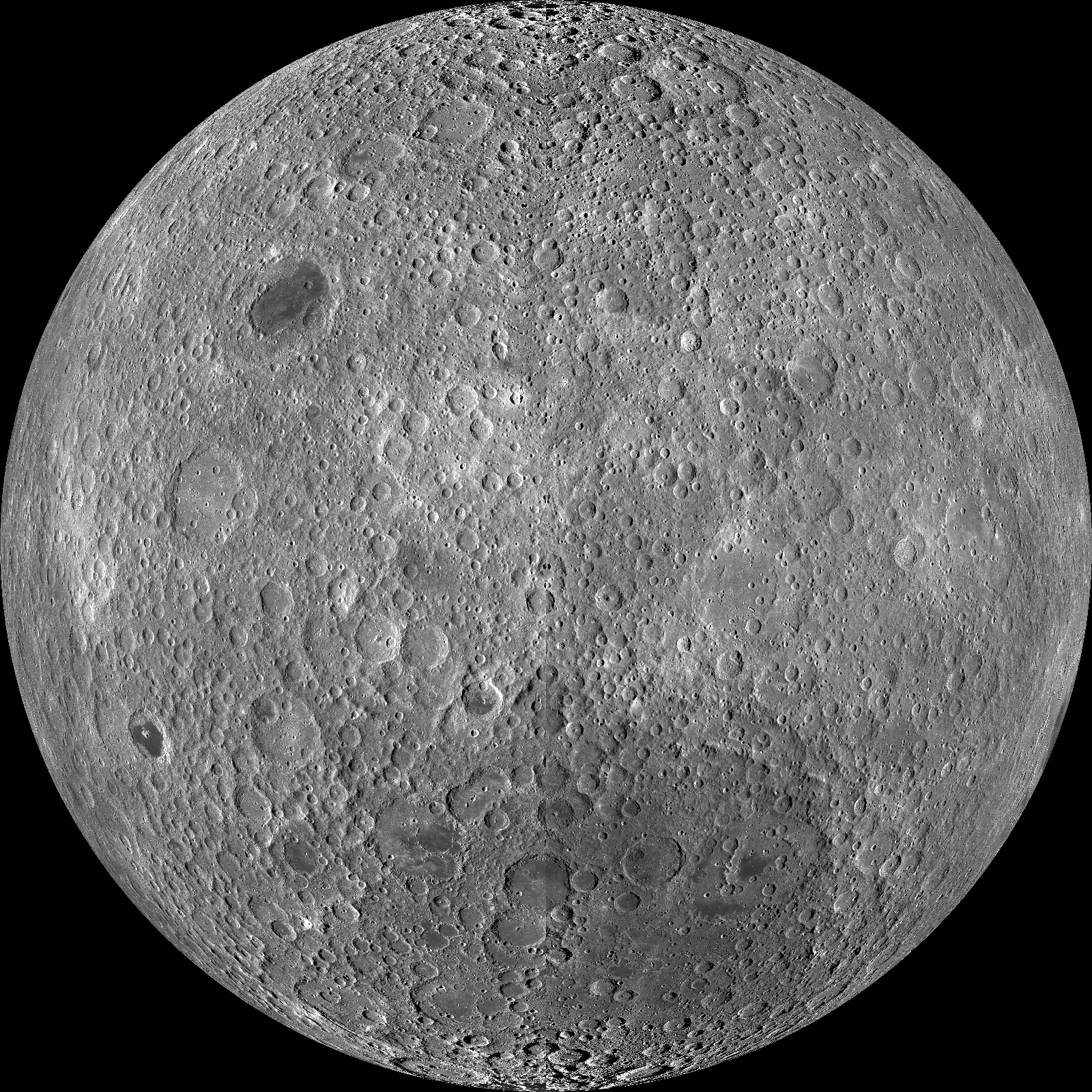
 The Lunar Reconnaissance Orbiter offers the best images from the dark side of the moon.
In 1959 we discovered a new world, but this will live next to one already known since the dawn of humanity ... that year (and only two after Sputnik 1 ) a Soviet spacecraft, Luna 3 the , exceeded the lunar orbit for the first time offered us images of the far side of the moon, that we can never see from Earth . Photo
very poor when compared with the current quality, of course, but they had, and still have, the special charm of being the first. and is finished with centuries of debate and speculation of all kinds, from those who assumed that the face would like the hidden visible until they imagined something completely different, some really crazy ... and photographs of the Soviet vehicle showed that the truth, in this case, was at the midpoint between the two positions.
And is that what we saw there was a world much less diverse and certainly not as beautiful from a distance as the visible face ... the "Mares", those dark spots that we see the full moon day and are large areas of solidified magma, were conspicuous by their absence, with minor exceptions such as the Mare Moscovian (top left), and instead extended an ancient surface and riddled with craters, much more indicative of the antiquity of the Moon not to "makeup" face visible. Using a simile we hear in many movies, the companion of Earth prefer to teach his "good side" so that we observe and photograph.
Because they are so different hemispheres? The answer is that the crust is thin in the Lafo more visible than in the occult, which helped in this last exit to the outside of large eruptions of magma, which was much more difficult at first. Not yet have a clear explanation of the reason, although it is possible that gravitational tidal Earth The same as "anchored" the rotation of the Moon until it synchronous (ie, takes the same time to circle in on itself to complete one revolution around the Earth, which always results shows same hemisphere), are behind this.
The Lunar Reconnaissance Orbiter , which is extraordinarily rich by mapping the lunar surface resolution and that it provides a splendid view of the visible, offers a similar quality (and, therefore, the best ever achieved ) of the face hidden. The ups and tortured land features of this hemisphere appear here yet splendor, a stark contrast to the complete darkness during the entire history of humanity, surrounded the unknown face of our companion Moon.
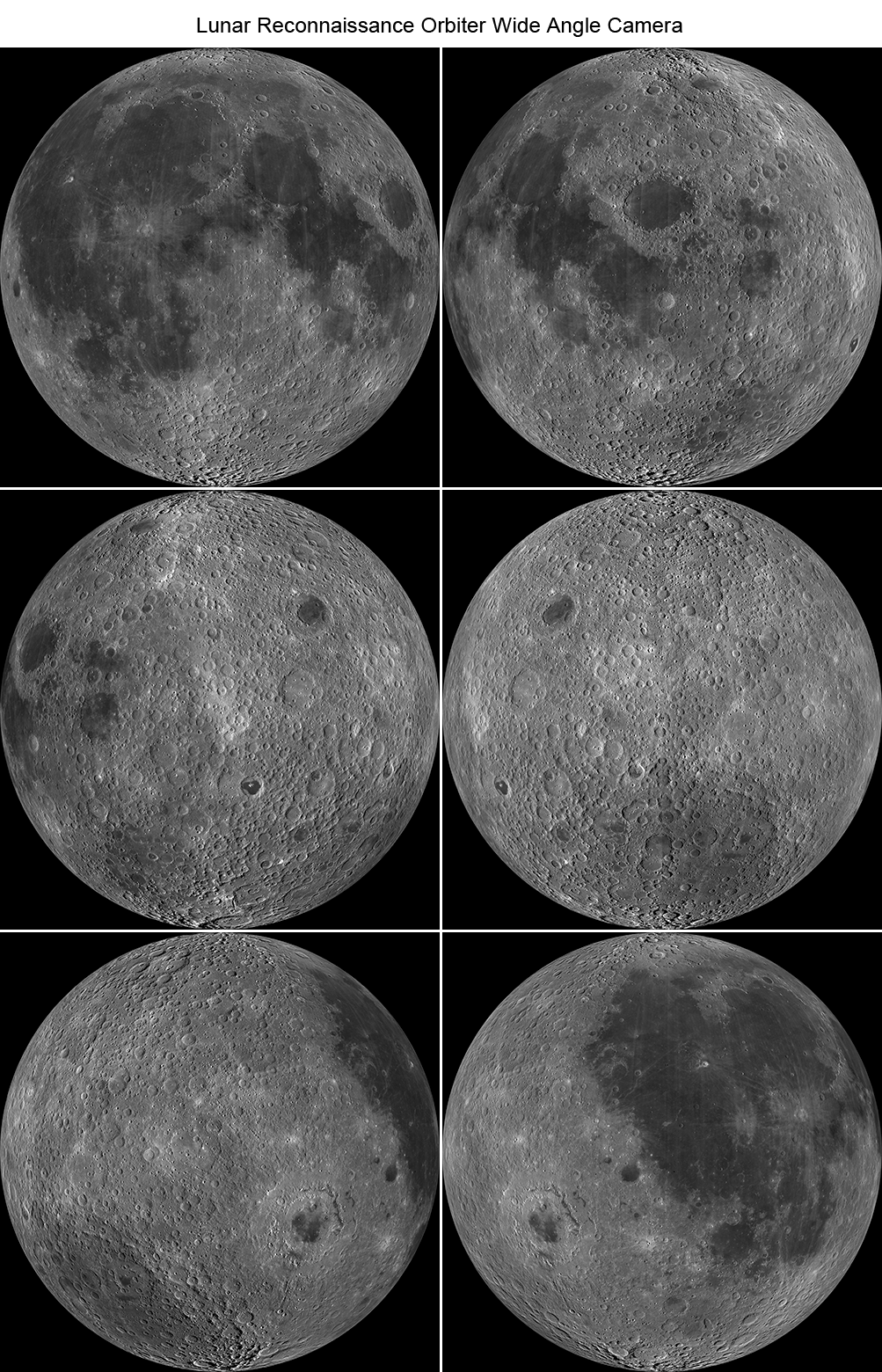 A Journey of 360 degrees around the moon ... until the arrival of the first spacecraft almost half (for the slight swaying of the moon can see more than half of his face) of the surface was completely inaccessible to the inhabitants of the Earth, which generated countless theories and speculations about what might be the other side. This situation is not unique to the moon ... all satellites in the Solar System always taught one face to the planet around which they revolve.
 Luna 3, the primroses probe flew past the moon and gave us pictures of his face hidden. 29 historic photographs showing Soviet hegemony in space that only began to lose in the late 60's.
 One of the images taken by the Luna 3 ... very poor quality but it represented a revolution. The border had been broken and mankind started walking beyond their home planet.
Farside! And all the way around


0 comments:
Post a Comment